Air Conditioning Services: Keeping Your Home Cool and Comfortable Year-Round
Air conditioning services serve a vital role in preserving a comfortable living environment all year long. They guarantee systems operate efficiently and last longer. Regular maintenance can prevent common issues, like reduced cooling capacity or restricted airflow. Numerous homeowners fail to recognize the value of these services, which commonly results in high repair costs. Understanding the various types of systems and their maintenance needs raises questions about what homeowners can do to enhance their comfort and energy efficiency.
Kinds of Air Conditioning Systems for Any Home
When picking out an air conditioning system, homeowners come across numerous choices suited to various needs and preferences. Central air conditioning units are favored for their capacity to efficiently cool entire homes, frequently using ductwork for air distribution. Ductless mini-split systems offer flexibility, allowing homeowners to control temperatures in individual rooms without the necessity of extensive duct systems. Window air conditioners serve as an economical option for smaller space cooling, whereas portable air conditioners offer convenience and simple installation. Moreover, geothermal systems utilize the earth's stable temperature to offer efficient heating and cooling solutions. Each type presents individual benefits, including varying levels of energy efficiency, setup costs, and cooling capacities. Being aware of these options allows homeowners to make well-informed decisions, making certain their chosen system suits their specific requirements and lifestyle. Ultimately, the ideal air conditioning system contributes greatly to a comfortable home environment all year long.
Why Routine AC Maintenance Is Important
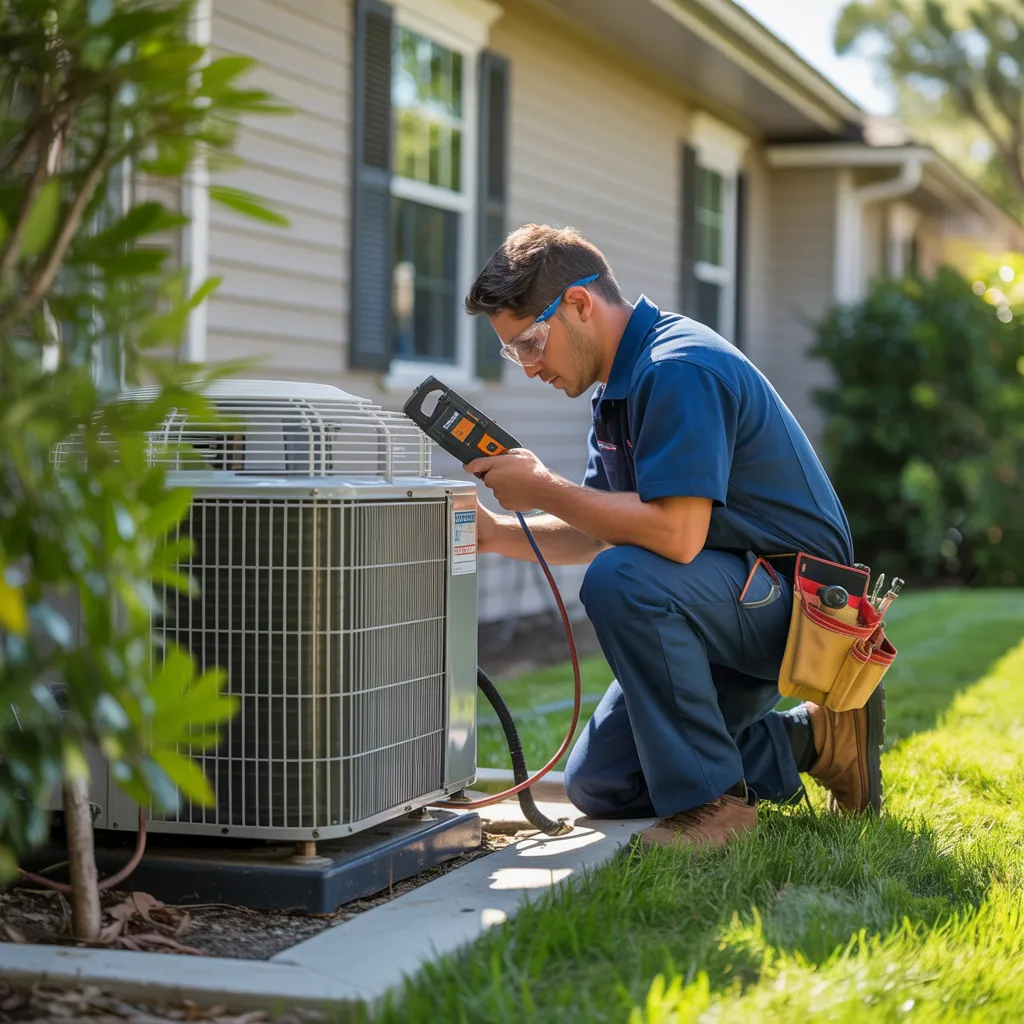
Routine AC maintenance ensures maximum efficiency and extended lifespan of AC units. This regular upkeep is critical for guaranteeing that every component works properly, avoiding undue stress on the system. Through consistent maintenance checks, residents can spot developing concerns before they develop into expensive fixes. Properly cleaned filters and coils boost ventilation and system performance, which not only enhances comfort but also reduces energy bills.
In addition, regular maintenance helps to maintain optimal air quality by limiting dust and allergens spreading throughout the home. HVAC specialists can also examine refrigerant charges and electrical connections, ensuring the system operates safely. The majority of manufacturers recommend yearly servicing to maintain warranty coverage, underscoring the significance of this routine. When all is said and done, committing to routine AC maintenance results in reliable cooling, increased system lifespan, and peace of mind for homeowners, permitting them to maintain a comfortable indoor atmosphere year-round.
Troubleshooting Common Air Conditioning Problems
Troubleshooting common air conditioning problems is crucial for maintaining peak performance. Most homeowners frequently experience issues such as insufficient cooling or strange sounds coming from their systems. Identifying these problems early can prevent more significant repairs and ensure a pleasant indoor atmosphere.
Poor Cooling Concerns
Insufficient cooling can cause homeowners to feel uneasy and dissatisfied, especially during the intense summer months. Common causes of insufficient cooling often include dirty air filters, which limit air circulation, and blocked vents that prevent conditioned air from circulating effectively. Leaking refrigerant can significantly impact cooling capacity, as insufficient refrigerant diminishes the unit's cooling effectiveness. Additionally, improperly sized units may struggle to maintain desired temperatures, leading to irregular cooling in different areas of the home. Thermostat problems, including improper configurations or faulty equipment, can worsen the situation. Scheduled maintenance, including changing filters and conducting system evaluations, can assist in catching these concerns before they escalate, guaranteeing the cooling system runs effectively and maintains household comfort throughout every season.
Strange Sounds Diagnosis
Recognizing strange audio signals from an air conditioning unit proves vital for diagnosing potential problems. Common sounds include rattling, which may point to loose components, and hissing, frequently indicating refrigerant leaks. A harsh noise can point to issues with the motor or bearings, while a high-pitched squeal might suggest a problem with the fan or compressor. Furthermore, a bubbling sound could indicate refrigerant issues. All noises function as a clue to underlying mechanical failures, encouraging timely inspections and repairs. Households should never disregard these auditory warnings; taking swift action can prevent further damage and costly repairs. Routine upkeep can likewise reduce these issues, making certain the equipment functions smoothly and quietly.
Selecting the Right Air Conditioning Service for Your Home
How does one determine the best air conditioning service for their home? Choosing the right service depends on several important factors. To begin, potential customers should ask for recommendations from friends or family, as personal experiences frequently provide meaningful insights. Online reviews and ratings can also provide a broader perspective on a service company's dependability and service quality.
Moreover, it is essential to confirm the provider's documentation, including licensing and insurance coverage. This ensures compliance with local regulations and shields clients from potential risk. Furthermore, examining the breadth of offerings can reveal whether the professional can handle individual concerns, such as system installation or urgent repairs.
Cost estimates should be obtained from multiple providers to evaluate costs openly. Finally, responsiveness and professionalism in first exchanges can indicate the standard of care that awaits you. By thoughtfully weighing these criteria, residents can confidently choose the most suitable AC service for their specific situation.
Maximizing Your AC's Energy Efficiency
To boost your AC unit's overall efficiency, consistent maintenance checks are vital for peak output. In addition, the integration of a smart thermostat can considerably lower energy usage by allowing for more accurate thermal management. Such measures not only enhance comfort but also lead to significant savings in the long run.
Regular Maintenance Checks
Routine maintenance inspections are vital for boosting the energy efficiency of an air conditioning system. These scheduled inspections help uncover issues before they develop further, enabling prompt repairs and corrections. During maintenance, technicians typically clean or replace filters, thereby enhancing airflow and lowering energy usage. They also check the refrigerant levels and electrical elements to ensure optimal operation. Identifying duct leaks can also boost efficiency, since properly sealed ducts stop conditioned air from leaking out. Routine servicing not only lengthens the system's lifespan but also lowers energy bills by keeping the unit running at peak efficiency. Homeowners who prioritize routine maintenance are likely to experience a more reliable and cost-effective cooling solution across every season.
Smart Thermostat fitting
Adding a smart thermostat can greatly enhance an air conditioning system's overall efficiency. These units allow homeowners to customize temperature settings based on their lifestyle patterns, ensuring that the AC functions only when necessary. By recognizing user preferences over time, smart thermostats self-adjust, lowering energy consumption during peak hours. Several models offer remote access through smartphones, enabling users to manage and oversee their home's climate from any location. This degree of flexibility not only improves comfort but also results in significant cost savings on energy bills. Additionally, some smart thermostats deliver usage reports, helping homeowners recognize trends and make data-driven changes. In summary, installing a smart thermostat can be a straightforward yet impactful step toward maximizing air conditioning performance.
Seasonal Tune-Up Guide for Your Air Conditioning System
Setting up your AC system for the upcoming season is essential for maintaining maximum efficiency and reliable performance. Property owners should begin by checking the external component for obstructions such as leaves or dirt buildup, which can restrict the flow of air. Changing or cleaning the filters is also an essential step, as clogged filters can lower efficiency and diminish air quality. Furthermore, verifying the refrigerant levels safeguards against cooling inefficiencies; insufficient levels might point to a leak needing professional service.
It is also advisable to inspect the thermostat settings to verify proper temperature management. Booking a professional maintenance service can additionally improve system dependability, allowing technicians to identify potential problems. Furthermore, homeowners are encouraged to consider filling any gaps around windows and doors to reduce energy loss. By taking these proactive measures, homeowners can ensure their air conditioning systems function efficiently across the season, delivering comfort within the home.
Air Conditioning Solutions for Improved Indoor Air Quality
Indoor air quality is essential for sustaining a healthy home environment, and HVAC services are instrumental in accomplishing this goal. Routine maintenance and servicing of air conditioning systems ensures optimal performance, which directly impacts the quality of air circulated within a home. Skilled technicians routinely clean and swap out filters, removing dust, allergens, and pollutants that can accumulate over time.
Additionally, cutting-edge air conditioning systems are often outfitted with air quality enhancement technologies, such as HEPA filters and UV light systems, which considerably elevate interior air quality. These technologies serve to eradicate airborne contaminants, delivering purer, fresher air.
Additionally, scheduled inspections can uncover potential concerns, halting the formation of mold and bacteria in the unit. All things considered, investing in air conditioning services not helpful tips only supports comfort but also supports a cleaner living environment, contributing greatly to overall well-being.
Popular Questions We Receive
How Often Should I Replace My Air Conditioner Filter?
Air conditioner filters should typically be replaced every one to three months, according to how often the unit is used and the type of filter installed. Regular replacements enhance efficiency, improve air quality, and prolong the lifespan of the air conditioning system.
Is It Possible to Install an AC Unit on My Own?
Setting up an air conditioning unit on your own is feasible for those with sufficient experience and understanding. However, it frequently demands careful consideration of local codes, appropriate equipment, and awareness of both electrical components and refrigerant systems to secure optimal safety and performance.
What Is the Standard Lifespan of an Air Conditioning System?
The average lifespan of an air conditioning system generally falls between 15 and 20 years. Factors affecting longevity include maintenance practices, usage frequency, and the quality of the initial installation, affecting overall functionality and efficiency.
Do Any Government Rebates Exist for Energy-Efficient AC Units?
Indeed, various governments supply financial incentives for energy-efficient air conditioners. The goal of these incentives is to foster sustainable options, minimizing power consumption and promoting sustainable living, ultimately benefiting the environment and consumers alike through monetary assistance.
What Are the Signs That My AC Is Too Big or Too Small?
To evaluate if an AC unit is correctly sized, it is important to examine cooling effectiveness, track temperature changes, measure humidity levels, and monitor energy usage. An oversized unit drops the temperature too rapidly, while an undersized unit fails to keep up.